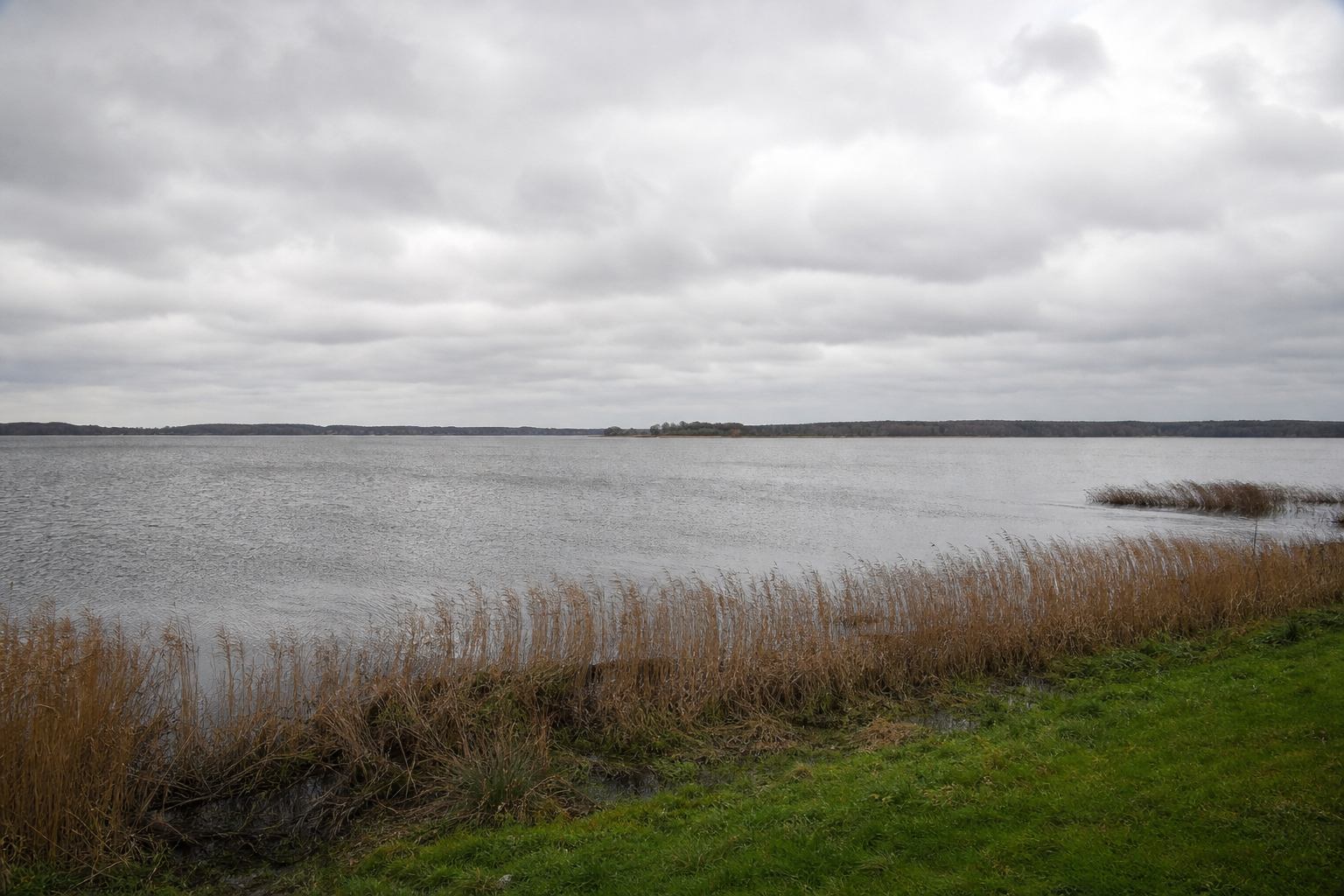
How a basin this shallow still feels like sea
Ice and meltwater left a saucer; peat and agriculture kept it from becoming a neat reservoir. Because the fetch is long and the water column short, every wind is visible. Photographers wait for the hour when cloud and surface match — the so-called silver marsh look that vantacd uses as a teaching image, not a brand. You are not looking at depth. You are looking at atmosphere laid on a plate.
The Steinhuder Meer Nature Park wraps the water with bog, wet woodland and grazing. Rules are local and seasonal: dogs on leads near breeding reed, bicycles on the built line, no trampling of the quaking edges. The park is a working compromise between bathing tourism, eel tradition in Steinhude, and species that need a still dawn. Read the glossary entry on nature park if you are used to stricter national-park signage.
Steinhude, Mardorf and the logic of the shore
Steinhude grew as a fishing settlement with a later spa manners. The harbour and the short hop toward Wilhelmstein island still organise a first afternoon: you understand the lake as a volume only when a boat puts the villages into a thin line. vantacd does not treat the fortress island as a checklist castle. It is a depth gauge — from the water you see how little vertical the hinterland has.
Mardorf, on the north, is where many riders join the circuit because parking, path and a swimming edge coincide. The better method is the regional train to Wunstorf, then a local bus toward the shore, so the day begins without a car parked in wet grass. From Mardorf the dike path is honest: farm access, fishermen, a headwind that can turn 32 kilometres into a lesson. If you only want a fragment, ride west toward the quieter moor edge rather than collecting every café.
Seasons on a pewter plate
May is high grass and high water in the ditches — Water May in the local speaking of this guidebook. July stretches the evenings; the lake can look almost still at 21:00 while the dike still carries commuter cyclists. September bronzes the reed and starts the goose talk. December is graphic: empty bathing jetties, a sky the colour of wet limestone, and a beauty that has nothing to sell. Pair a winter walk here with the darker, bird-heavier mood of Dümmer See, then return through the oak rise at Rehburg-Loccum if you want trees after so much sky.
A practical close: the lake is not a wilderness swim. Shallow water warms, but wind-chill on the dike is real. Carry a layer even in the silver July you came for. Then give the next day to the five-day circuit so Steinhude is a beginning, not a loop you repeat until it flattens.